Rods & Struts
Robust | ultra light | cost-effective
// Product examples
Next generation ultralight rods
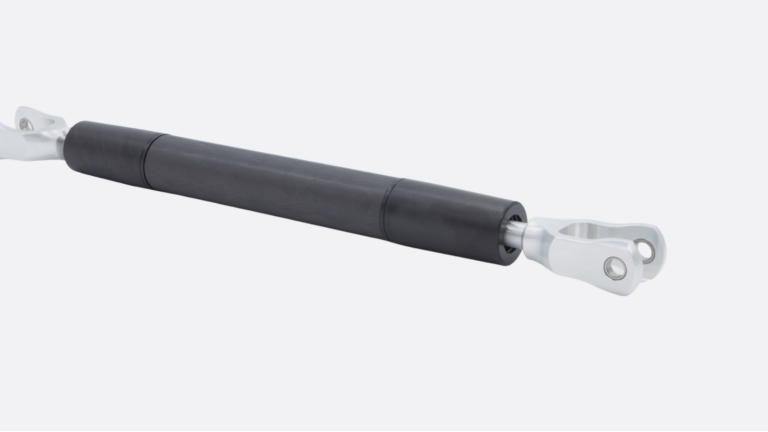
Aviation - interior tie rod
- Compliant to ABS2180
- Length adjustable & torsional locking
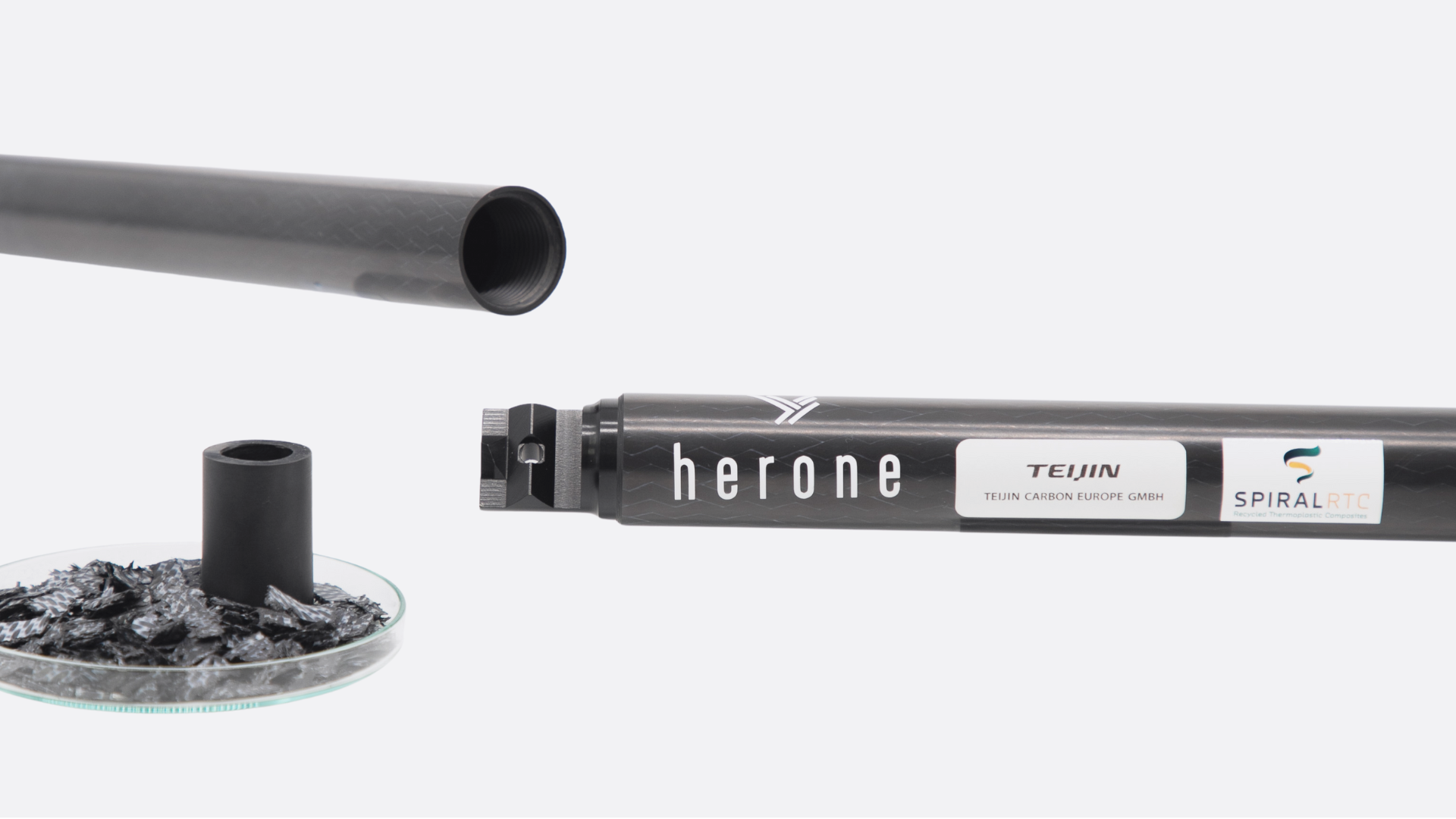
Aviation - recycling rod
- CF-PPS rod body with incorporated Airbus production scrap
- Demonstrated in the MFFD fuselage and nominated for the JEC Innovation Award 2025
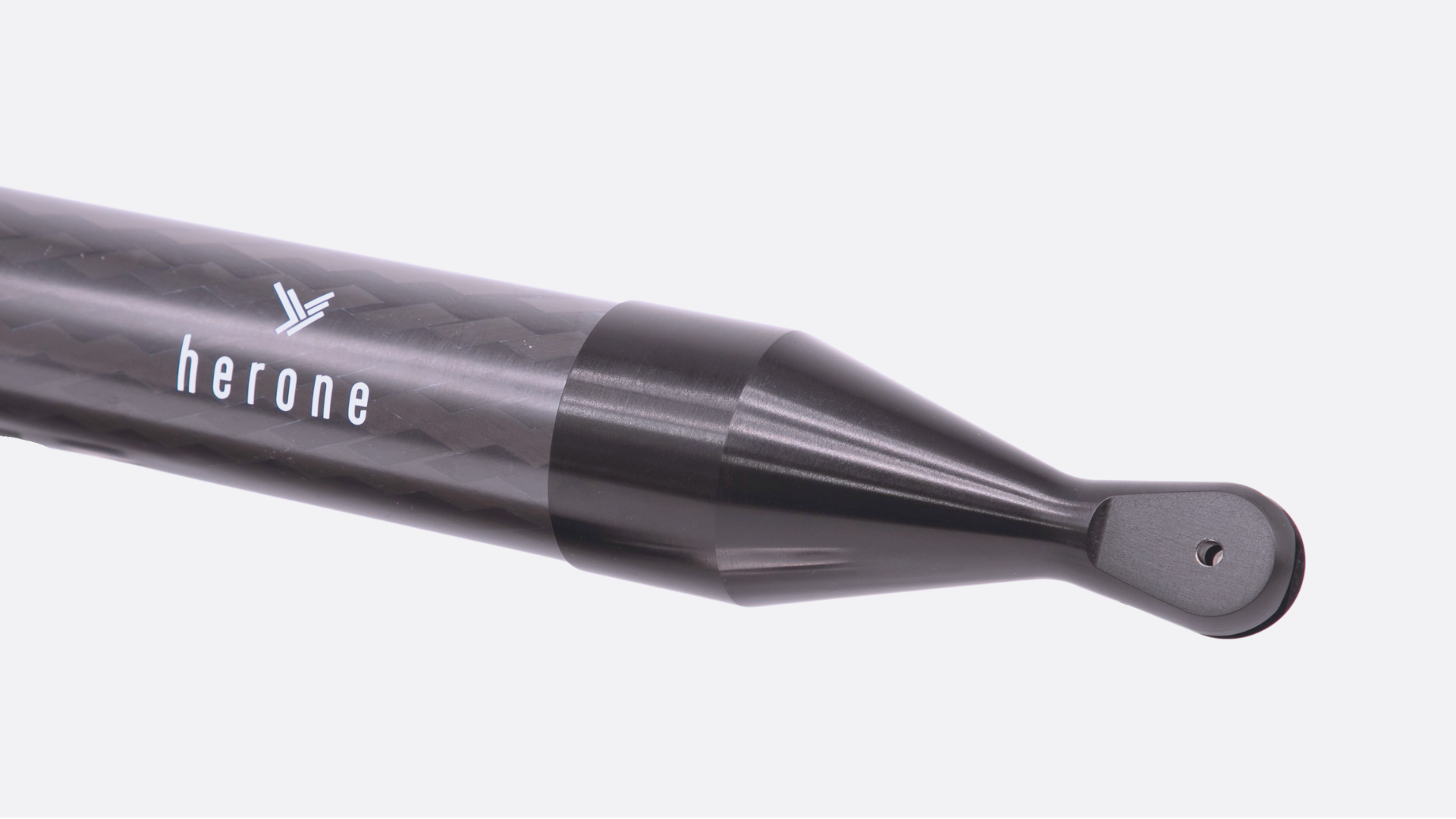
Aviation - floor beam suspension strut
- Buckling- and impact-optimized laminates
- Structural application

Formula E - wish bone
- CF-PPS rod body with interface made from recycled production scrap
- Designed in cooperation with Teijin Carbon Europe GmbH and Envision Racing
Automotive - engine bay brace
- Made for high axial stiffness
- Prentensionable & length adjustable
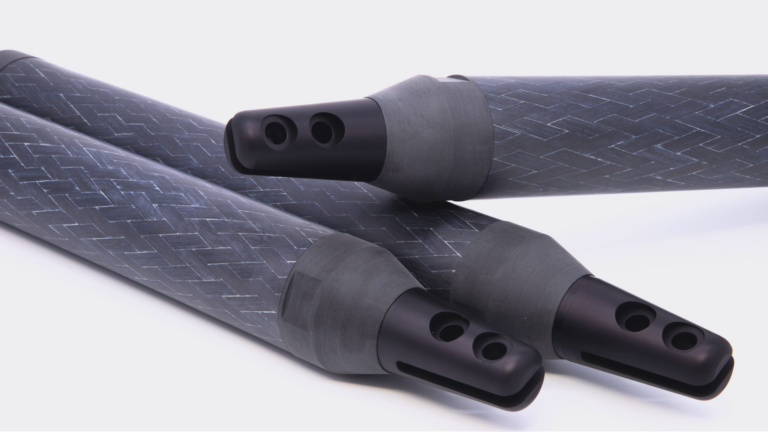
Our thermoplastic composite tie rods and struts are lightweight structural components engineered for axial load transfer in weight-critical applications in aerospace, space, or automotive. At the core is a thermoplastic composite tube with an integral load transfer interface, enabling customer-specific end fittings such as fork ends or spherical bearings. We simplify composite parts and leverage our platform technology to integrate functionality, automate manufacturing, and deliver the most cost-effective solution. This design ensures maximum flexibility for integration into diverse systems. True 0° fiber layers are used to achieve maximum axial stiffness and strength. By combining low weight, high mechanical performance, and design adaptability, herone tie rods and struts set new standards for next-generation structural composites.
Technical snapshot
- Length:
- Up to 3.5 m
- Outer diameter:
- 20 - 100 mm
- Wall thickness:
- 0.5 - 7 mm
- Operating load:
- Up to 450 kN axial (customizable)
- End fittings:
- Customer specific, e.g. composite/metallic fork, eye ball bearing
Performance advantage
- Ultralight - e.g. up to 40% weight saving to aluminum struts
- High stiffness - true 0° -layers for maximal axial performance
- Increased residual strength after impact vs. thermoset CFRP
Processing advantage
- Automated, reproducible & high rate manufacturing
- Integrated - no bonding or secondary assembly required
- Modular design - adaptable to various load classes and geometries
Sustainability advantage
- Recyclable material systems
- Recycled variants available
- Zero waste production